
Navigating life & Mental Health, between the ups and downs
Practical tools for mental health recovery, rooted in lived experience & peer mentorship.

Recovery is a practice, not a destination.
Mental health recovery is real, measurable, and genuinely achievable, but it does not look like a finish line.
The tools here come from lived experience, peer mentorship, and practical approaches like DBT and the BEES framework. You do not need a diagnosis to benefit from them. You just need a willingness to practise before you need them most.
mentoring
This is not a clinical resource. It is something more personal than that.
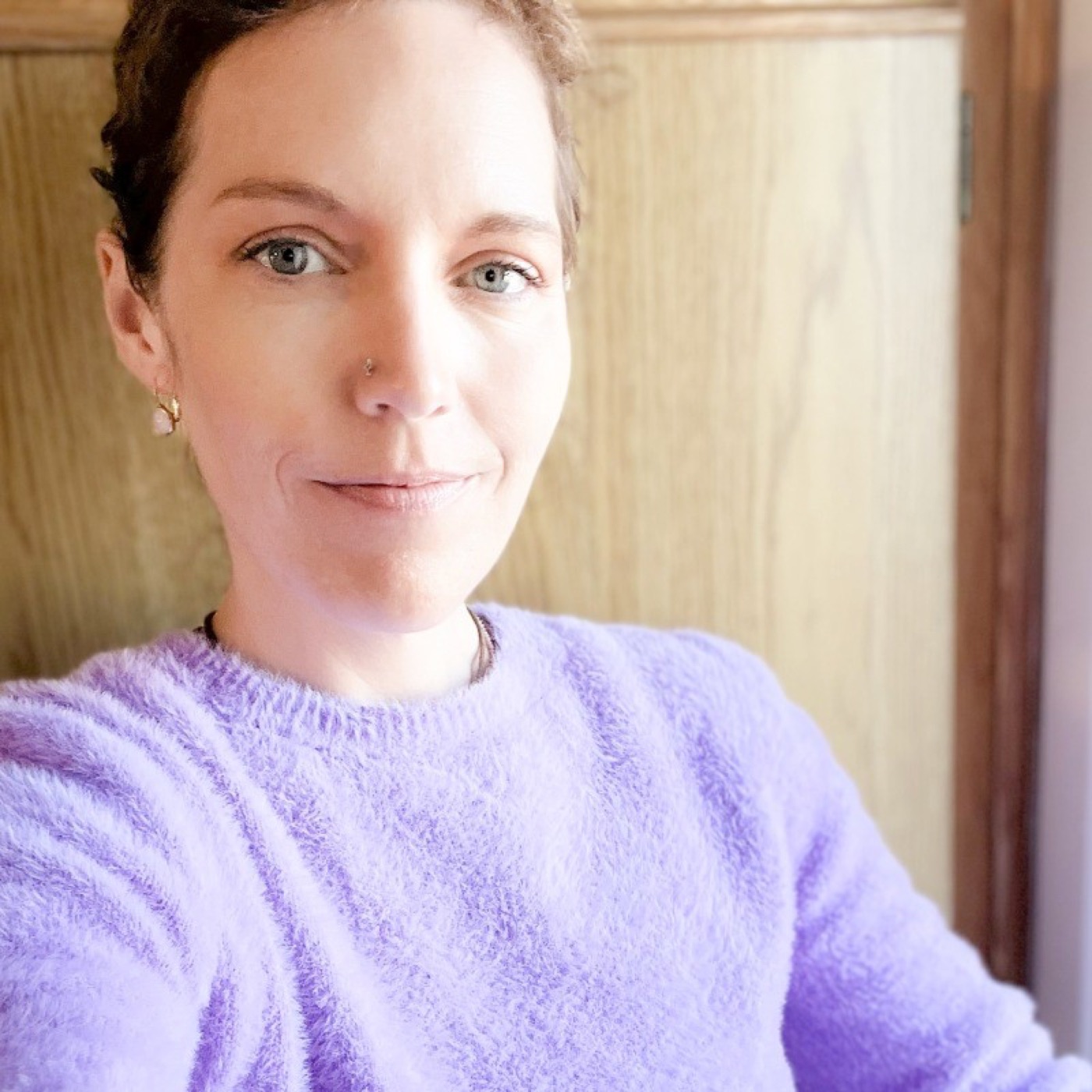
upsanddowns was built by Stef – someone who has lived with bipolar disorder since her twenties, spent three years as a certified senior peer mentor at the MUHC, and attended DBT herself.
Not a therapist. Not a researcher. Someone who has walked the road and found tools that actually helped.
This site exists to make that information accessible – and genuinely pleasant to work with. Because navigating your mental health should not feel like homework.
“I am particularly impressed by her listening skills, her compassion, and her ability to be present with the person she’s mentoring.”
“Stef demonstrates a strong capacity to listen with compassion and communicate her experience in recovery with honesty and insight.”
Written from lived experience, for real life.
Self-guided workbooks you can work through on your own terms, at your own pace. Each one explains what a skill is, why it matters, and how to use it – with space to write, reflect, and practise.
Browse the workbooks →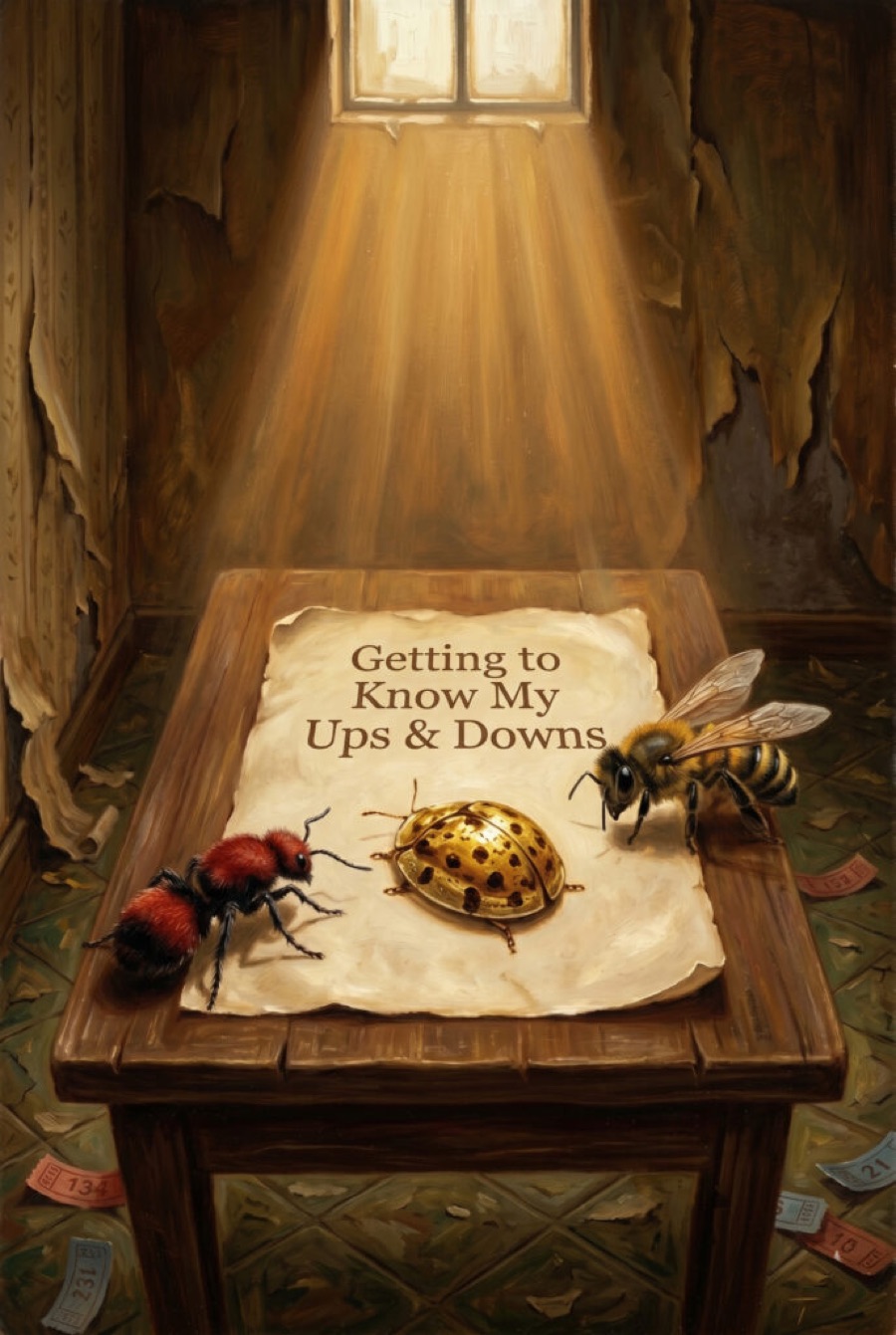
New here? Start with the free guide, Getting to Know My Ups & Downs.
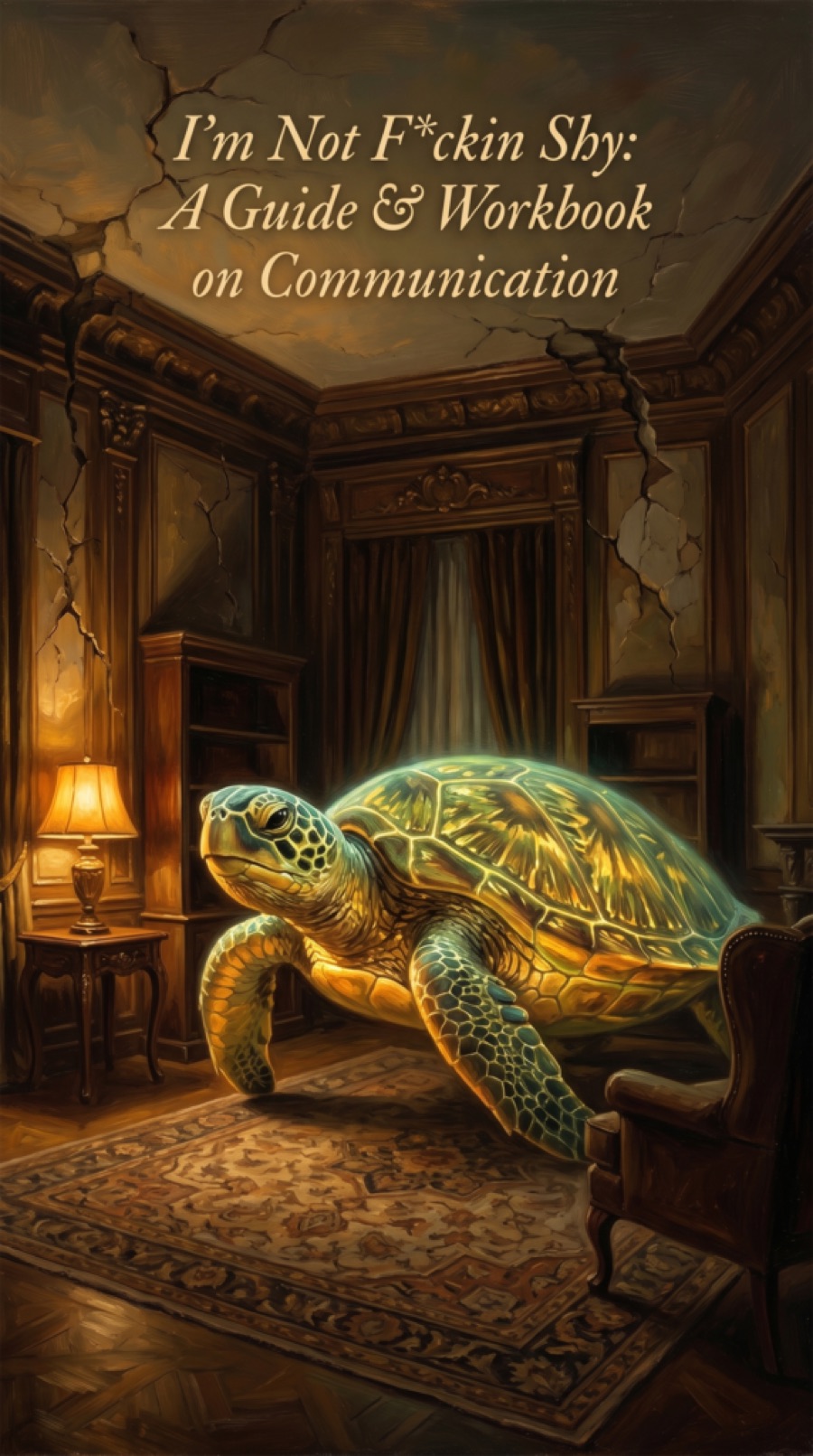
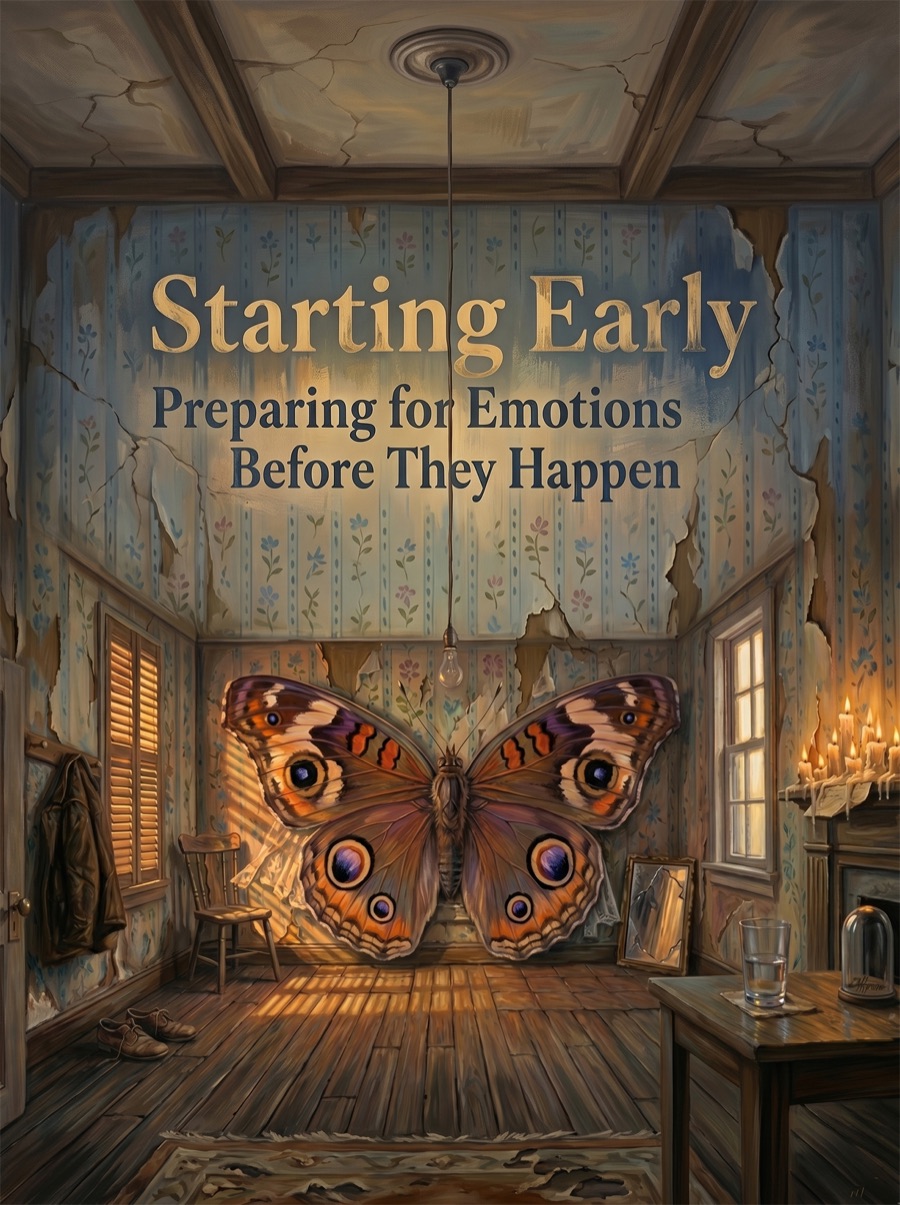
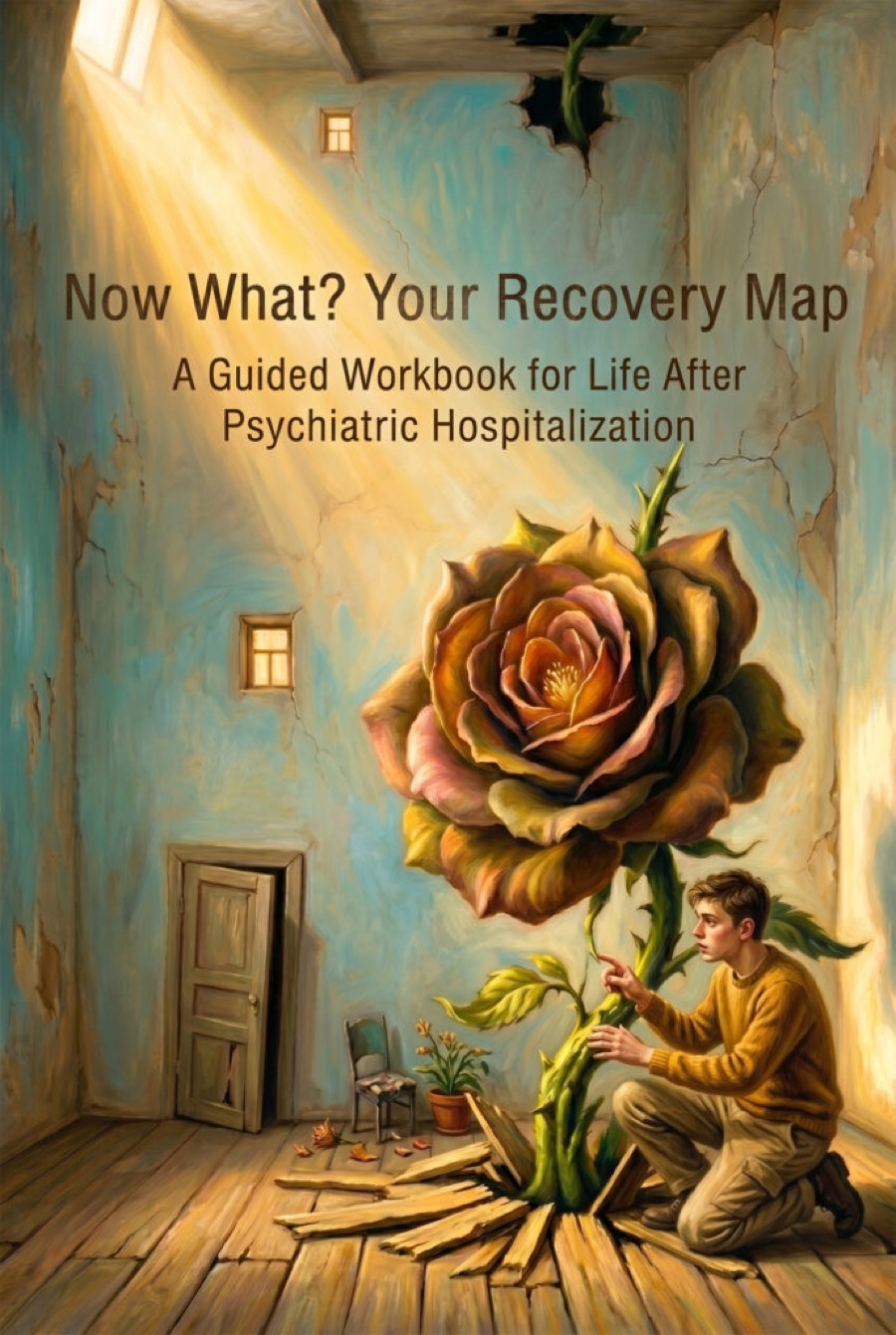
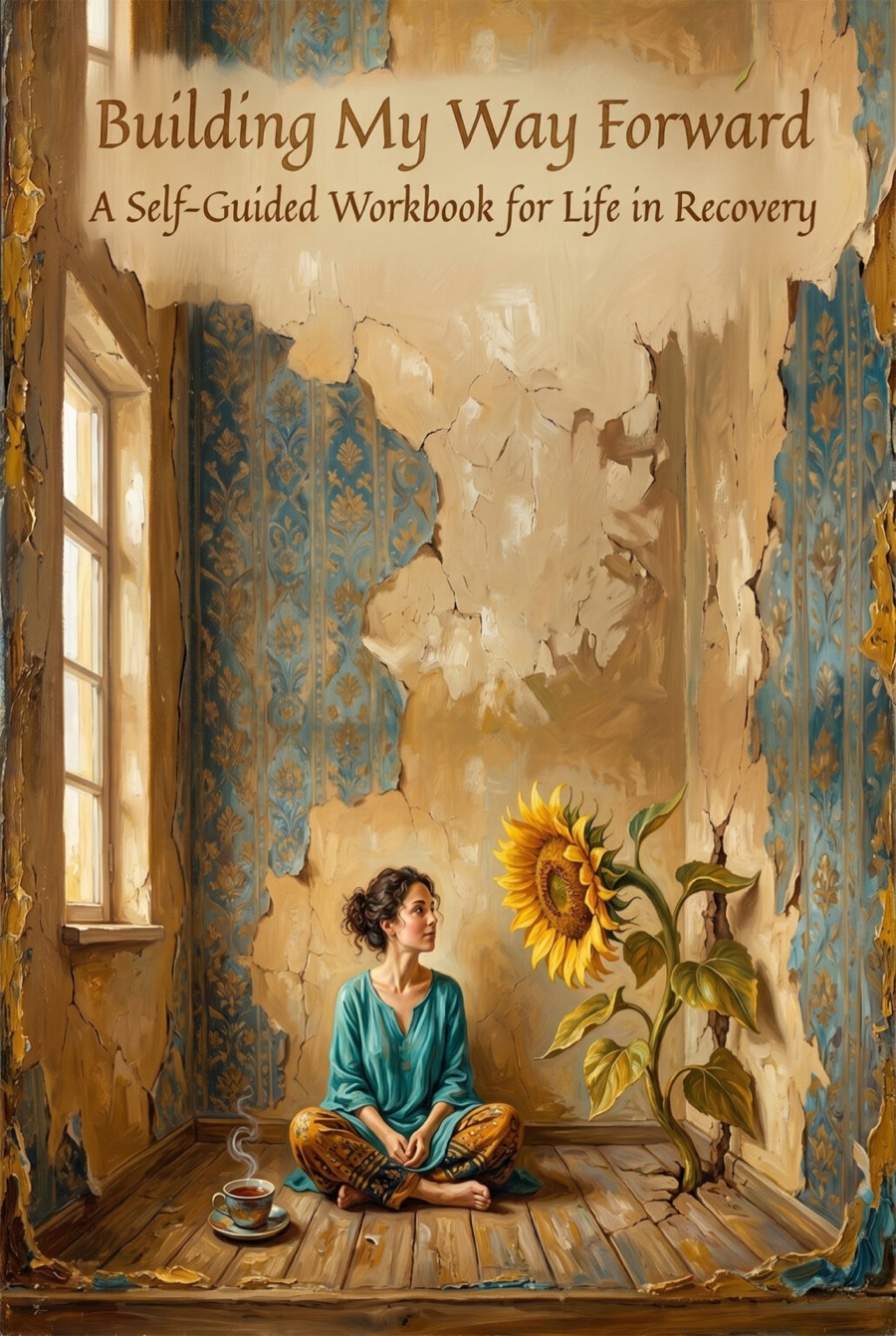
The manual you weren’t handed.
A DBT tracker and skill-building tool — built by someone who’s been there. Just the tools that can make a difference.
The app is where you practise. The workbooks are where you dig in.
Enter the beta →Skills Tracker
Log your ups and downs as they happen. Track patterns over time without the pressure of a journal.
Skill activities
Interactive exercises to learn and practise core DBT skills. Built to be used, not just read.
Private by design
No sharing, no streaks, no social feed. Just you and the tools — when you need them, how you need them.
Before you begin.
What does mental health recovery look like?
Recovery is real, measurable, and genuinely achievable, but it does not look like a finish line. It is a practice: tending to the basics, building skills before the hard moments, and having support you trust.
Is Ups & Downs a replacement for therapy?
No. This is not a clinical resource, and Stef is not a therapist. It is peer support from lived experience: practical tools to use on your own or alongside professional care. If you are in crisis, call or text 988 (Canada and US).
What is a peer mentor?
Someone with lived experience of mental health challenges who is trained to support others on their own road. Stef spent three years as a certified senior peer mentor at the MUHC. Peer mentor vs therapist: which support do you need?
Do I need a diagnosis to use these tools?
No. You do not need a diagnosis to benefit from these tools. You just need a willingness to practise before you need them most.
Where should I start?
With the free guide, Getting to Know My Ups & Downs. It introduces the BEES framework (Breathing, Eating, Exercising, Sleeping) and four practical skills. From there, choose the workbook that fits where you are: recovery, emotions or connection. Get the free guide
New workbooks are coming.
Be the first to know.
No schedule, no noise. Just a note when something new is ready.